
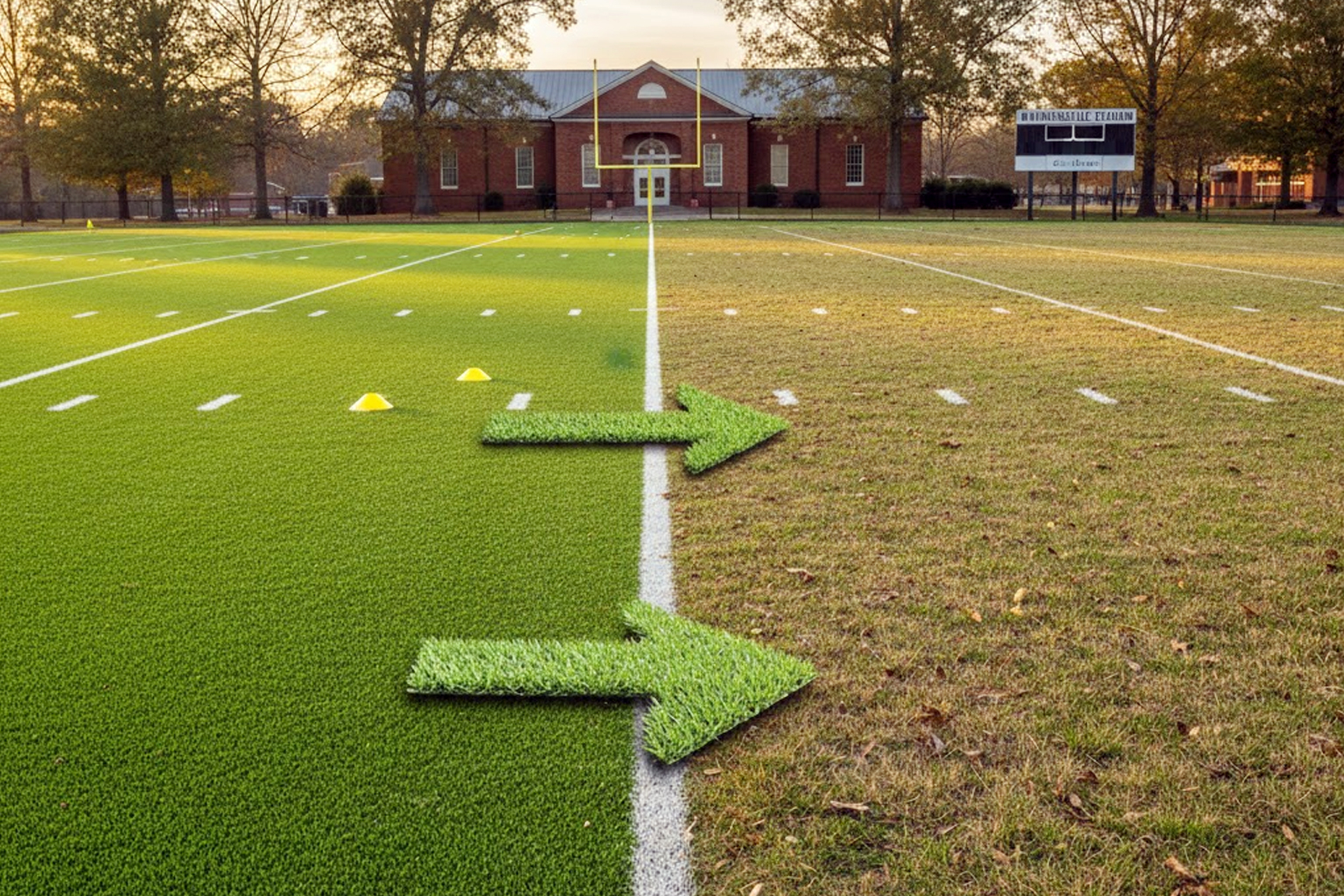
If you’re a homeowner in Watkinsville, Georgia, you know how important a lush, green lawn is to your home’s curb appeal and outdoor living experience. But maintaining that perfect lawn in Georgia’s warm, humid climate can be challenging. Between unpredictable rain, summer heat, and clay-heavy soil, many homeowners are asking an important question: Is artificial turf or natural grass better for my landscape?
At Redwood Outdoor Designs, we help Watkinsville and surrounding area homeowners choose and install outdoor living and landscape solutions that fit their lifestyle, property, and budget. Let’s compare artificial turf vs. natural grass to help you decide which option is right for you.
Natural Grass: The Classic Southern Choice
Pros
- Authentic Look and Feel: Nothing quite matches the soft, cool texture of real grass underfoot.
- Cooling Effect: Natural grass absorbs sunlight and can help lower the temperature around your home.
- Eco-Friendly Growth: With proper care, natural grass contributes to oxygen production and reduces heat islands.
Cons
- High Maintenance: Regular mowing, watering, fertilizing, and pest control are required.
- Inconsistent Appearance: Bare spots and weeds can quickly appear in Georgia’s clay soil and variable weather.
- Water Usage: Grass lawns need frequent watering—especially during Watkinsville’s hot summers.
Artificial Turf: Modern, Low-Maintenance Beauty
Pros
- Year-Round Greenery: Artificial turf looks lush and vibrant 365 days a year—no dry patches or brown spots.
- Low Maintenance: No mowing, watering, or fertilizing required—just occasional brushing and cleaning.
- Durability: High-quality turf stands up to foot traffic, pets, and play areas.
- Cost-Effective Over Time: While the upfront installation cost is higher, long-term savings on water and lawn care make it a smart investment.
Cons
- Initial Cost: Artificial turf installation is typically more expensive than seeding or sodding.
- Heat Retention: Turf can get warmer under direct sunlight, though shade structures like custom pergolas or patio covers can help.
- Limited Cooling Benefits: Artificial turf doesn’t cool the air like natural grass does.
Which Option Works Best in Watkinsville, GA?
In Watkinsville’s humid subtropical climate, both options have their place. For homeowners who enjoy gardening and traditional lawn care, natural grass provides a classic, eco-friendly appeal. However, if you’re looking for a low-maintenance, drought-tolerant solution that stays beautiful through every season, artificial turf is a great choice.
At Redwood Outdoor Designs, we often recommend artificial turf for:
- Outdoor living areas with paver patios and outdoor kitchens
- Play areas and pet-friendly spaces
- Sloped landscapes where grass struggles to grow
- Designs that integrate retaining walls or limited drainage
Combine Artificial Turf with Professional Landscape Design
Whether you choose turf or grass, a well-planned landscape design ties everything together. Our team at Redwood Outdoor Designs can integrate artificial turf with natural landscaping, custom hardscapes, and outdoor living structures to create a functional, beautiful, and long-lasting outdoor space perfect for Georgia’s terrain.
FAQ
Q: How long does artificial turf last?
A: With proper care, artificial turf can last 15–20 years in Georgia’s climate.
Q: Can artificial turf drain properly during heavy rain?
A: Yes! Professional installation ensures proper drainage and prevents pooling or erosion.
Q: Is artificial turf safe for pets and kids?
A: Absolutely. High-quality turf is non-toxic, durable, and easy to clean, making it ideal for families.
Final Thoughts
Both artificial turf and natural grass have advantages, but the right choice depends on your lifestyle and maintenance preferences. If you want a lush, low-maintenance landscape that complements your outdoor living space, artificial turf installed by Redwood Outdoor Designs is an excellent investment.
Call Redwood Outdoor Designs today to schedule your free backyard design consultation!
